
Teachers: Your Health Belongs on the Lesson Plan

Before the first bell, you’re already answering questions, reviewing lessons, and thinking about what your students need. By dismissal, you’ve made countless decisions, managed a classroom, and given much of your energy to other people.
Then comes grading, family time, dinner, and preparing to do it again.
It can be easy to explain away how you feel: “I’m a teacher. Of course I’m tired.”
But when exhaustion, poor sleep, or digestive discomfort becomes part of your everyday life, it deserves attention. You don’t have to wait until summer break to start the conversation.
At Functional Medicine of Delaware, we take time to understand your symptoms, your health history, and the realities of your day - then work with you on a personalized plan.
When “teacher tired” deserves a closer look
A demanding day can leave anyone feeling worn out. Persistent fatigue is different: waking up unrefreshed, struggling to concentrate, or regularly feeling too depleted to enjoy life outside school.
T...
First Responder Health Between Shifts

You care for our community. Make time for your health.
By Ashley Allen, APRN, MSN, NP-C, ONP-C, Owner, Functional Medicine of Delaware
The call comes before you finish lunch. An overnight shift runs long. You finally get home, but your mind is still at work. When your job is to respond to other people’s needs, your own health can become something you will get to later.
For firefighters, EMS professionals, law enforcement officers and dispatchers, caring for your health needs to fit the realities of the job. At Functional Medicine of Delaware, we believe your work schedule, symptoms and goals belong in the same conversation.
When feeling worn out becomes your normal
A difficult shift can leave anyone tired. But persistent exhaustion, trouble sleeping or changes in how you feel deserve attention. NIOSH research has linked shift work in police officers with poorer sleep and other health concerns. Broader shift-work research also identifies associations with cardiovascular, digestive ...
Managing Stress This Fall | Functional Medicine of Delaware

Finding Balance This Fall: Simple Tools for
Managing Stress
As the seasons change, our routines often change with them. Busier schedules, earlier mornings,
work and family responsibilities, and the many demands of everyday life can leave us feeling
stretched thin. Even positive transitions can add stress to our daily lives.
Stress is a normal part of life. In short bursts, it can help us respond to challenges and adapt to
change. But when stress becomes frequent or prolonged, it can affect sleep, energy, mood,
digestion, concentration, and overall well-being.
When it comes to managing stress, there isn't one solution that works for everyone. A functional
medicine approach looks at the many different factors that contribute to how we feel and
recognizes the important connection between the mind and body. The goal isn't to eliminate
stress—we can't, and we wouldn't want to. Instead, the goal is to build habits that help us
navigate stressful moments, recover when challenges arise, and create greater...
Why Sleep Matters: A Functional Medicine Perspective
Why Sleep Matters: A Functional Medicine Perspective
In today's busy world, sleep is often the first thing we sacrifice. Many people believe they simply need to "push through" fatigue with more caffeine or that poor sleep is just a normal part of life. However, quality sleep is one of the most powerful tools our bodies have for healing, restoring, and maintaining overall health.
From a functional medicine perspective, sleep isn't viewed as an isolated problem—it is considered a vital sign of overall wellness. Instead of only asking, "How can I sleep better?" we ask, "Why isn't my body sleeping well?" Identifying and addressing the root cause can lead to more meaningful, long-lasting improvements.
Why Is Sleep So Important?
Sleep plays a critical role in nearly every system of the body. During sleep, your body repairs tissues, balances hormones, strengthens the immune system, processes memories, and clears metabolic waste from the brain. Poor sleep has been linked to:
- Increased r ...
The Myth about HRV and what you are missing.
The Biggest Misconception About HRV: It’s NOT Just One Number
If you’ve ever tracked your HRV (Heart Rate Variability), you’ve probably seen a single score on your watch or app.
👉 A number.
👉 A color.
👉 Maybe a “good” or “bad” label.
But here’s the truth most people don’t realize:
HRV is NOT one number — it’s a system.
And if you’re only looking at one score, you’re missing the full story of your nervous system, your recovery, and your health.
📊 What HRV Actually Measures
HRV is the variation in time between heartbeats.
But under the surface, it reflects something much bigger:
👉 Your autonomic nervous system
- Sympathetic (fight / flight)
- Parasympathetic (rest / recover)
When HRV is measured properly (like we do in the clinic), it gives us a multi-dimensional view of how your body is functioning.
🔍 Why One Number Falls Short
Most wearable devices simplify HRV into a single score (often RMSSD).
That’s helpful… but incomplete.
It’s like:
- Judging a car by spe ...
Why Kids Struggle with Focus and Behavior (And What Most Parents Miss)
If your child struggles with focus, attention, or behavior, you’re not alone.
Many parents notice:
-
Difficulty concentrating
-
Emotional outbursts
-
Hyperactivity
-
Trouble sitting still
And often, the message they receive is:
“It’s just ADHD.”
While that may be part of the picture… it’s not the whole story.
At Functional Medicine of Delaware, we take a different approach.
Instead of only looking at behavior, we ask:
“What’s driving this underneath?”
If you want a simple breakdown of what we look at first:
Get our free guide here:
Kids Focus Root Causes Guide
IT’S NOT JUST A BRAIN ISSUE
Focus and behavior challenges are often treated as purely neurological.
But in reality, the brain doesn’t operate in isolation.
It’s influenced by:
-
The gut
-
Nutrient status
-
Inflammation levels
-
Environmental exposures
When these systems are off, the brain reflects it.
THE GUT-BRAIN CONNECTION
One of the most overlooked factors in kids’ behavior ...
How to tap into the Master Control Center
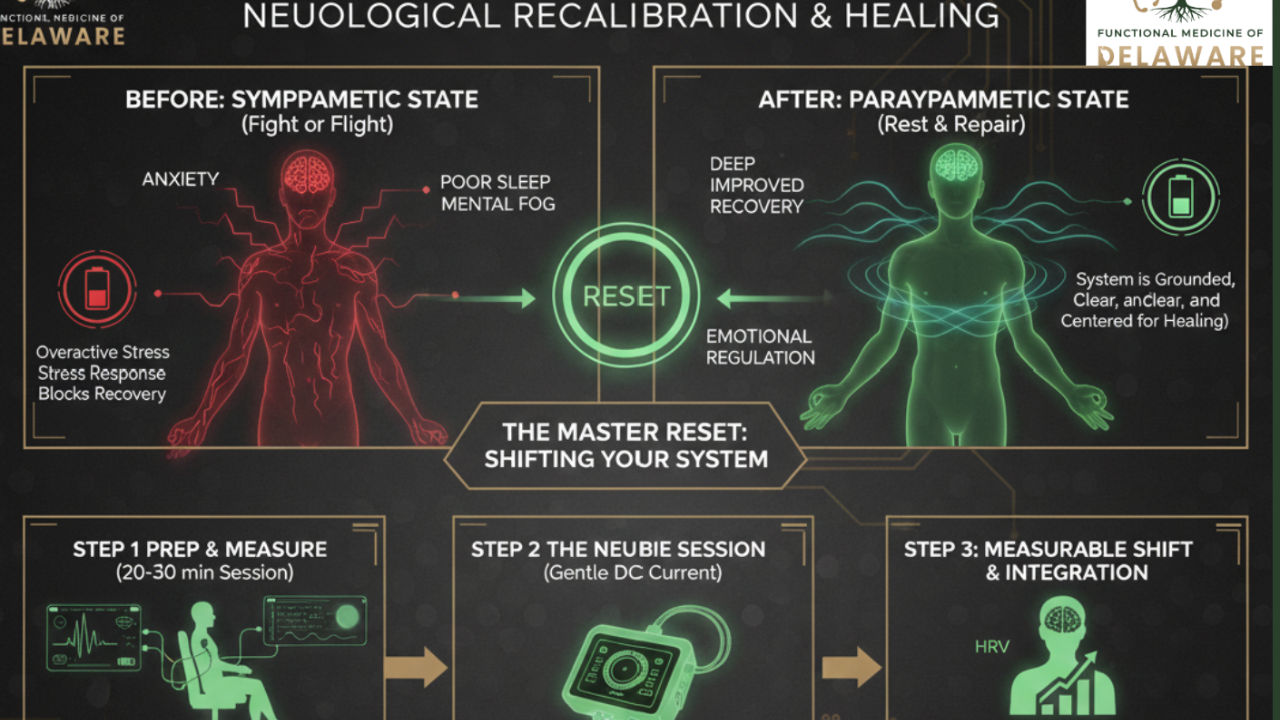
Tapping into the Master Control System: The Neubie and Master Reset Protocol for Nervous System Reset in Functional Medicine
In the fast-paced world we live in, our bodies often get stuck in "survival mode"—that constant state of stress where healing takes a backseat. As a Doctor of Physical Therapy directing the Neural Recovery Program at Functional Medicine of Delaware, I've seen firsthand how tapping into the body's master control system—the nervous system—can transform health outcomes. Today, I want to dive into one of our most powerful tools: the Neubie device and its role in the Master Reset Protocol. This innovative approach not only accelerates recovery but also restores balance, helping you reclaim vitality from the root cause.
At Functional Medicine of Delaware, we specialize in addressing the interconnected systems of the body through advanced lab testing, nutrition, and lifestyle interventions. Our focus on the gut-brain connection and nervous system regulation sets us ap...
Spring Recovery Tools
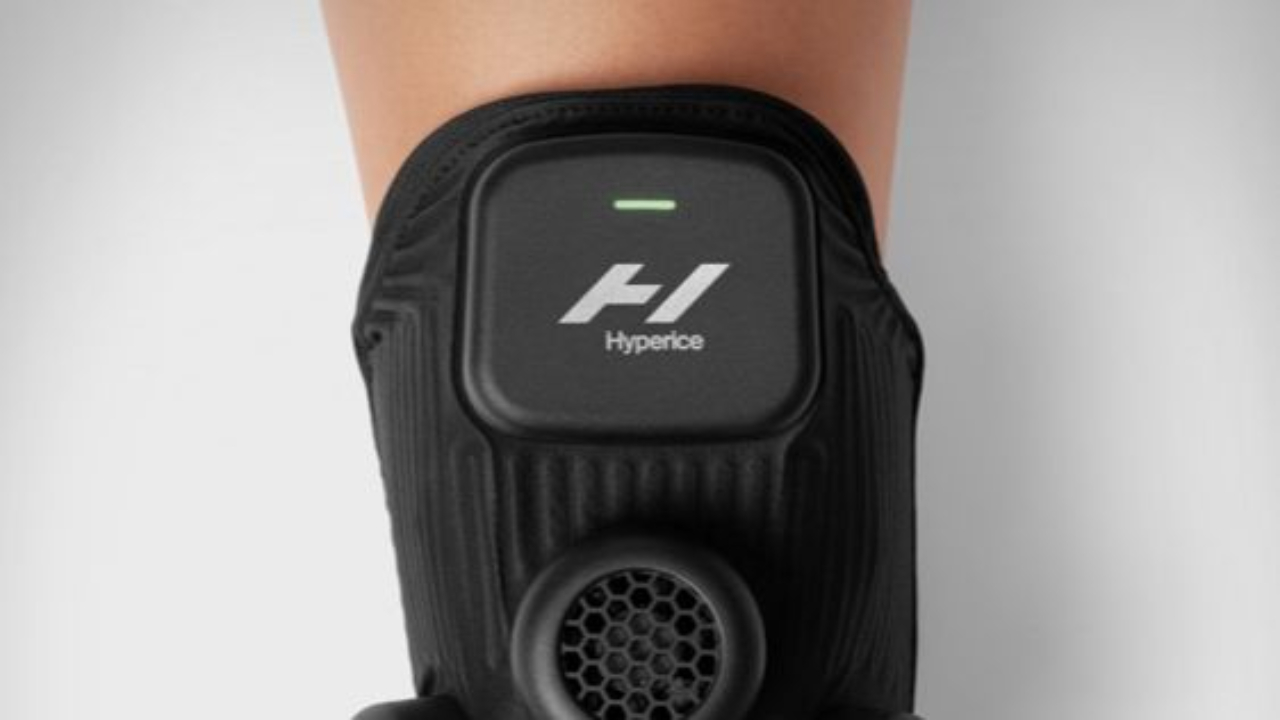
Spring into Wellness: Enhance Your Recovery with Essential Tools
As the days grow longer and temperatures rise, many of us in Delaware feel the invigorating call of spring, inspiring increased physical activity. However, it's crucial to prepare our bodies for this seasonal shift to prevent injuries and ensure optimal performance.
At Functional Medicine of Delaware, we recognize the intricate connection between musculoskeletal health and gut health. Emerging research indicates that gut microbiome balance influences inflammation and pain perception, underscoring the importance of a holistic approach to movement and recovery.
To support your active lifestyle this spring, we’ve curated a list of essential recovery tools designed to aid muscle recovery, reduce soreness, and enhance overall well-being. Whether you're ramping up your workouts, hitting the trails, or just looking to stay pain-free, these tools can help keep you moving:
1. Hot & Cold Knee Compression Wrap – Contrast Thera...
What Is Cortisol? Understanding the Stress Hormone & How to Balance It Naturally

What Is Cortisol?
Cortisol is your body’s primary stress hormone, produced by your adrenal glands. It's responsible for regulating your energy, mood, blood sugar, immune response, and sleep-wake cycle. Think of it as your body's internal alarm system: when you're under stress, cortisol rises to help you stay alert and responsive.
While cortisol is essential for survival, chronic stress can lead to prolonged elevated or depleted levels of cortisol, which disrupts your overall health.
Signs Your Cortisol May Be Out of Balance
-
Feeling "tired but wired"
-
Anxiety or panic attacks
-
Difficulty sleeping or staying asleep
-
Mid-day energy crashes
-
Sugar or salt cravings
-
Brain fog
-
Stubborn belly fat
-
Frequent illness or burnout
If these sound familiar, your cortisol rhythm might be off.
Take the Free Cortisol Quiz
Not sure where you fall on the cortisol spectrum? Take our free 2-minute quiz to find out if your stress hormone is too high, too low, o...
The biggest mistake you can make when it comes to Hydration
The Biggest Mistake People Make When It Comes to Hydration
Hydration seems simple—drink more water, right? But what if I told you that the advice to "just drink more water" could be part of the problem? For many people, this approach is incomplete and can actually lead to imbalances in the body.
Let’s talk about the biggest mistake people make when it comes to hydration: ignoring electrolytes, especially salt.
Why Just Drinking Water Isn’t Enough
When you’re dehydrated, reaching for water seems like the obvious fix. But here’s the thing: drinking plain water without replenishing electrolytes can dilute the minerals in your blood, leading to an imbalance. This is known as hyponatremia, or low sodium levels, and it can leave you feeling tired, sluggish, and even more dehydrated.
Dr. James DiNicolantonio, a cardiovascular research scientist and author of The Salt Fix, explains that hydration is about more than just water—it’s about maintaining the right balance of fluids and electr...