
SIBO: Symptoms, Causes, and a Root-Cause Approach to Care


If you deal with bloating that seems to build through the day, frequent gas, or a belly that just never feels settled, you're not alone. One possible cause worth knowing about is small intestinal bacterial overgrowth, often called SIBO. Here's a plain-language look at what it is, why it happens, and how it can be treated.
What Is SIBO?
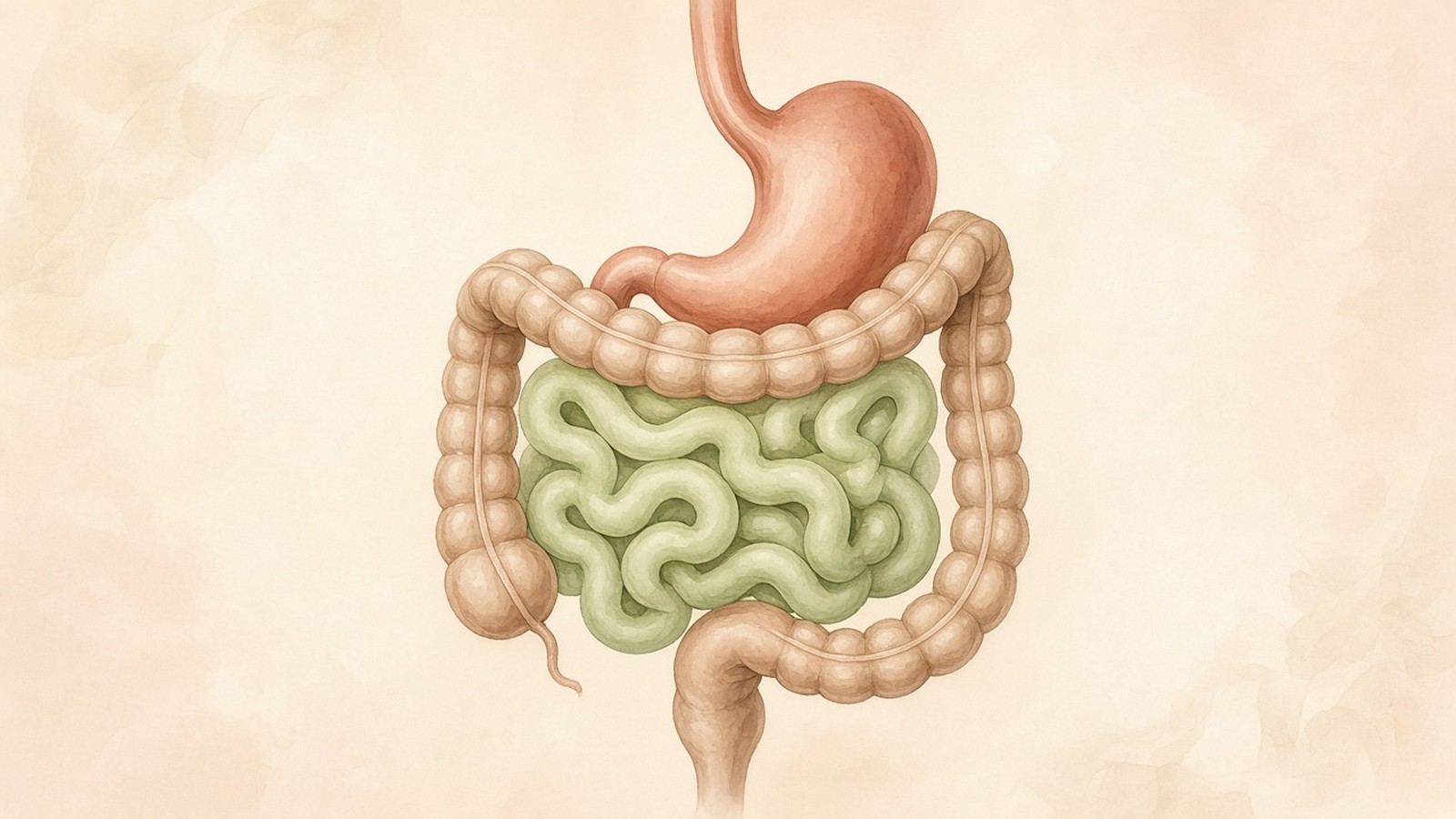
Your digestive tract is home to trillions of bacteria. Most of them live in the large intestine (the colon), where they help break down food and support overall health. The small intestine normally has far fewer bacteria.
SIBO happens when too many bacteria build up in the small intestine. These bacteria can ferment food before your body has a chance to absorb it, producing gas and causing uncomfortable symptoms. Over time, the overgrowth can also interfere with how well you absorb certain nutrients.
A related condition, now often called intestinal methanogen overgrowth (IMO), involves organisms that produce methane gas. It's more commonly linked with constipation.
Common Symptoms
SIBO symptoms often overlap with other digestive conditions, including irritable bowel syndrome (IBS). Common signs include:
- Bloating or a feeling of fullness, often worse after meals
- Excess gas or belching
- Abdominal pain or cramping
- Diarrhea, constipation, or a mix of both
- Nausea
- Fatigue
- In some cases, low levels of nutrients such as vitamin B12 or iron
Because these symptoms are shared with many other conditions, it's important to talk with a provider rather than self-diagnose.
What Causes SIBO?
SIBO usually isn't the root problem on its own. It tends to develop when something interferes with the body's natural defenses that keep bacteria in check. Common causes and risk factors include:
- Slow gut motility. The small intestine has a "cleansing wave" (the migrating motor complex) that sweeps bacteria along between meals. When this slows down, bacteria can linger and multiply. Conditions such as diabetes, hypothyroidism, and some neurological conditions can affect motility.
- Low stomach acid. Stomach acid helps control bacteria. Long-term use of acid-reducing medicines (like proton pump inhibitors) or reduced acid production can raise the risk.
- Structural changes. Prior abdominal surgery, adhesions, strictures, or small pouches in the intestine (diverticula) can create places where bacteria collect.
- Problems with the ileocecal valve, the "door" between the small and large intestine.
- Other conditions, such as celiac disease, Crohn's disease, IBS, and chronic pancreatitis.
- Certain medications, including some that slow the gut, like opioids.
- Recent food poisoning or gut infection, which can affect the nerves that control motility.
How SIBO Is Diagnosed
The most common test is a breath test. After a short prep diet and fasting, you drink a sugar solution (usually lactulose or glucose). You then breathe into collection tubes at set times over a couple of hours. If bacteria in the small intestine are fermenting that sugar, they produce hydrogen and/or methane, which show up in your breath.
Breath testing is non-invasive and can often be done at home. In some cases, a provider may recommend other tests, such as blood work to check nutrient levels or evaluate for related conditions.
How SIBO Can Be Treated
Treatment usually has two goals: reduce the overgrowth, and address what allowed it to happen. Common options include:
- Antibiotics. Rifaximin is one of the most commonly used. It works mainly in the gut and is poorly absorbed into the rest of the body. For methane-predominant overgrowth, it is sometimes paired with another medication.
- Herbal antimicrobials. Some providers use herbal formulas, such as those containing oregano oil, berberine, allicin (from garlic), or neem. Some research suggests they may be an option for some people, and they should be used under a provider's guidance.
- Diet changes. A low-FODMAP diet limits certain fermentable carbohydrates that bacteria feed on. It's meant to be used short-term to ease symptoms, followed by a gradual reintroduction of foods so your diet stays varied and nourishing.
- Prokinetics. These are medications or supplements that support the gut's natural cleansing wave. They're often used after treatment to help prevent the bacteria from building back up.
How We Approach SIBO at Functional Medicine of Delaware
At Functional Medicine of Delaware, we take a holistic, root-cause approach, starting with the gut. Rather than only treating the overgrowth, we look at why it developed in the first place.
Testing. We begin by listening to your history and symptoms, then use appropriate testing, such as breath testing and lab work, to understand what's going on.
A personalized plan. No two people's guts are the same. Your plan may include conventional medication, herbal antimicrobials, or a combination, along with targeted nutrition guidance.
Addressing underlying causes. We look at the factors that can keep SIBO coming back, including:
- Gut motility and the migrating motor complex
- Stress and its effects on digestion
- Low stomach acid and digestive function
- Nutrition, including any nutrient gaps the overgrowth may have caused
- Related conditions, such as thyroid or blood sugar concerns
Follow-up visits. Healing isn't always a straight line. Regular follow-ups let us check how you're doing, adjust your plan, and course-correct if symptoms change.

Ways to Help Prevent Recurrence
SIBO can come back, especially if the underlying cause isn't addressed. These steps may help lower that chance:
- Space out meals. Leaving a few hours between meals and limiting constant snacking gives the gut's cleansing wave time to work.
- Support motility. Your provider may recommend a prokinetic for a period of time after treatment.
- Review your medications with your provider, especially long-term acid reducers or medicines that slow the gut. Never stop a medication without talking to your provider first.
- Manage stress. Stress affects digestion. Gentle movement, good sleep, and relaxation practices can help.
- Eat mindfully. Chewing well and eating in a calm setting support healthy digestion.
- Reintroduce foods thoughtfully after a restrictive diet, so you keep a diverse, nourishing diet over the long term.
- Keep up with follow-up care to catch any return of symptoms early.
Ready to Feel More Like Yourself?
If digestive symptoms have been weighing on you, we're here to help you find answers. Our providers currently accepting new patients are Stephanie Hollinshead, Kayla McManus, and Stephanie Ottaviani.
We're located at 35 W Main St, Middletown, DE, and offer virtual visits for patients in Delaware and Maryland. We're in-network with BCBS, Tricare, Cigna, and Delaware Medicaid. Call us at 302-446-4099 to schedule.
This article is for educational purposes only and isn't medical advice. Please talk with a qualified healthcare provider about your symptoms and treatment options.